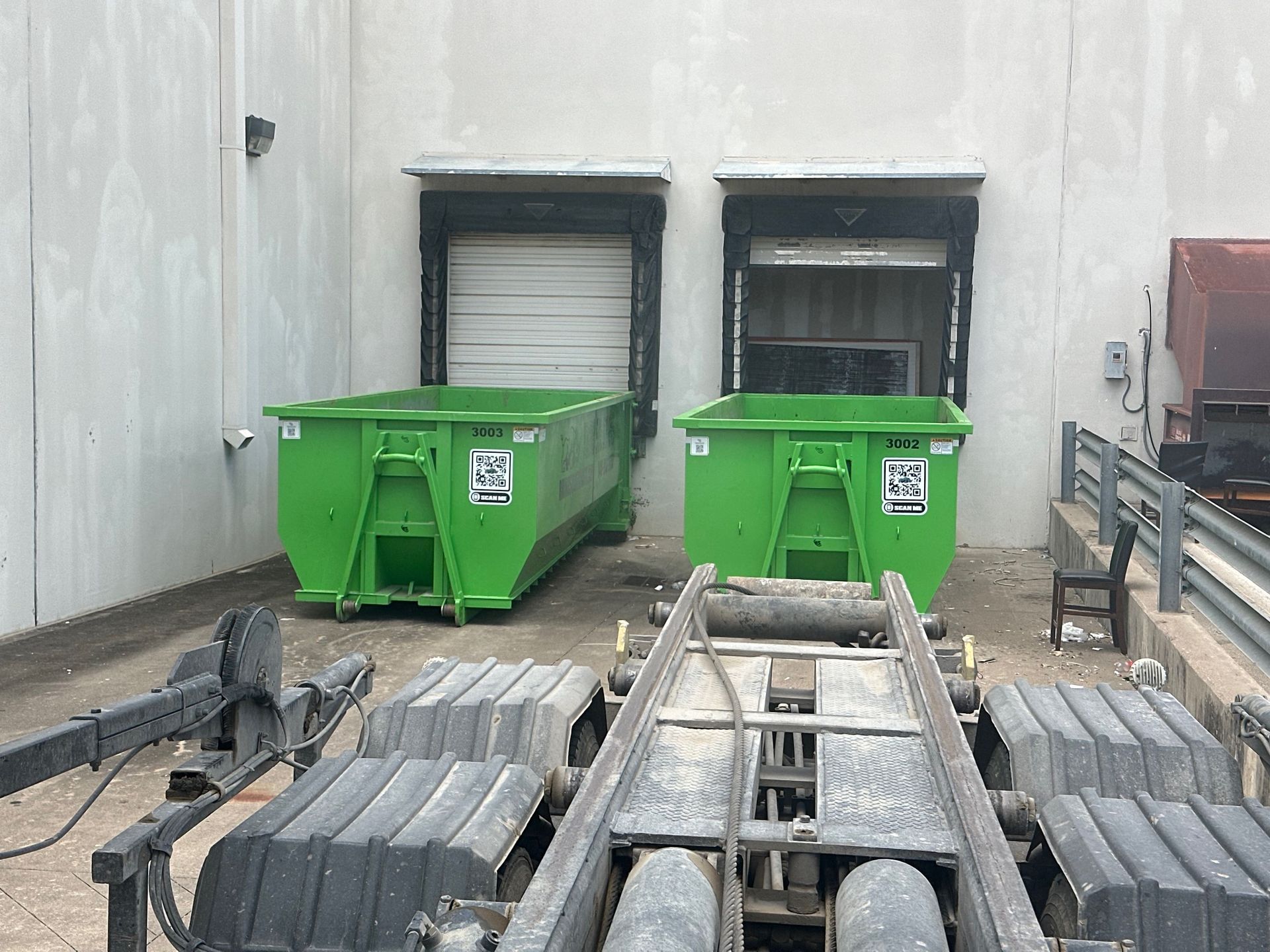
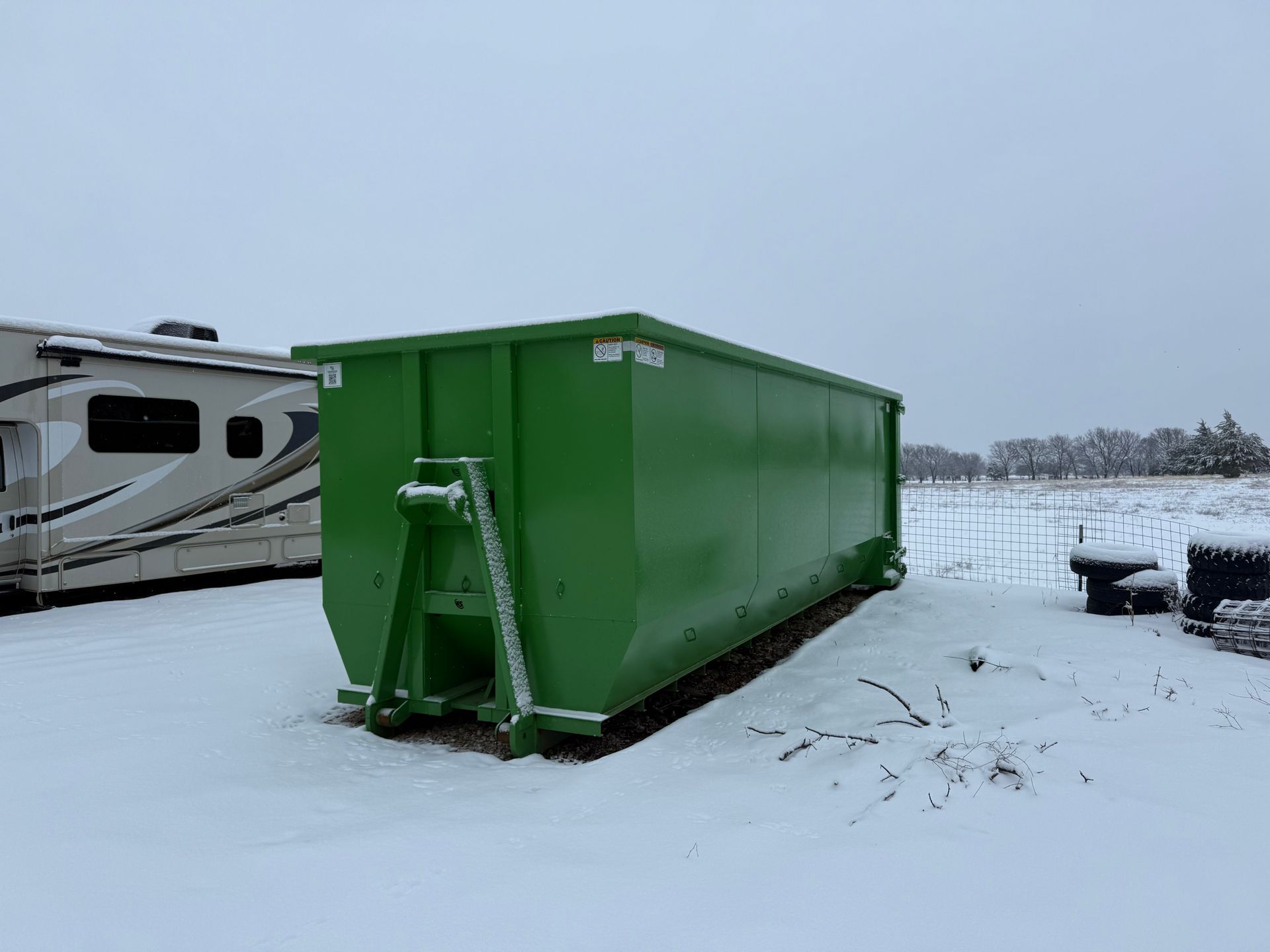
Dumpster Rental for Home Renovation Projects in Fort Worth, TX
For most Fort Worth renovation projects, a 15 to 20-yard dumpster handles a single bathroom or kitchen remodel, while whole-home renovations, additions, and roofing tear-offs need a 20 to 40-yard container depending on scope. Booking the dumpster before demo day keeps debris off the property and work zones clear from the first day of teardown through final cleanup. Rhino Solutions delivers a properly sized dumpster for any Fort Worth renovation, from a single bathroom gut to a full home remodel.
Renovation debris piles up fast. Torn-out drywall, old cabinetry, flooring scraps, and broken fixtures can turn a job site into an obstacle course within the first afternoon of demo. Without a plan for hauling that material away, a renovation project slows down, safety risks increase, and crews waste hours navigating around debris piles instead of working. A dedicated roll-off dumpster solves the problem before it starts. Placed on-site before demo day, it gives contractors and homeowners a single place to load waste as it's generated, keeping walkways clear and work zones organized through every phase of the project.
This guide covers why Fort Worth renovation projects need a dedicated dumpster, how to match container size to the type of remodel underway, when to schedule delivery and pickup around the construction timeline, what materials are accepted, and a pre-delivery checklist to prepare the property before the container arrives. Whether the scope is a single bathroom refresh or a full-home remodel with multiple contractors on-site, the same core planning steps apply, and getting them right before demo day saves both time and money once the work is underway.
Why Renovation Projects Need a Dedicated Dumpster
Hauling renovation debris in a pickup truck or SUV works for small touch-up jobs, but it breaks down fast once demo begins in earnest. A standard truck bed holds a fraction of what a single afternoon of drywall removal produces, which means repeat trips to the landfill or transfer station, repeat dump fees, and hours pulled away from the actual renovation work. Heavy items like tubs, tile pallets, and cabinetry also risk damaging a personal vehicle or requiring extra hands to load and unload safely, adding cost and delay to a project that's already on a tight schedule.
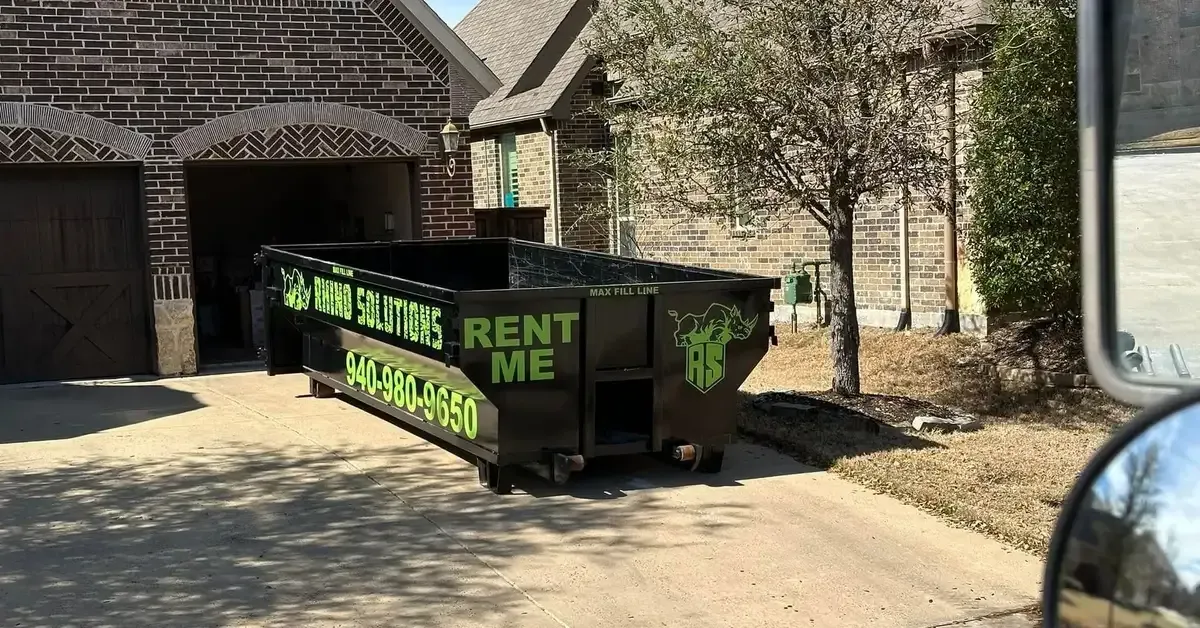
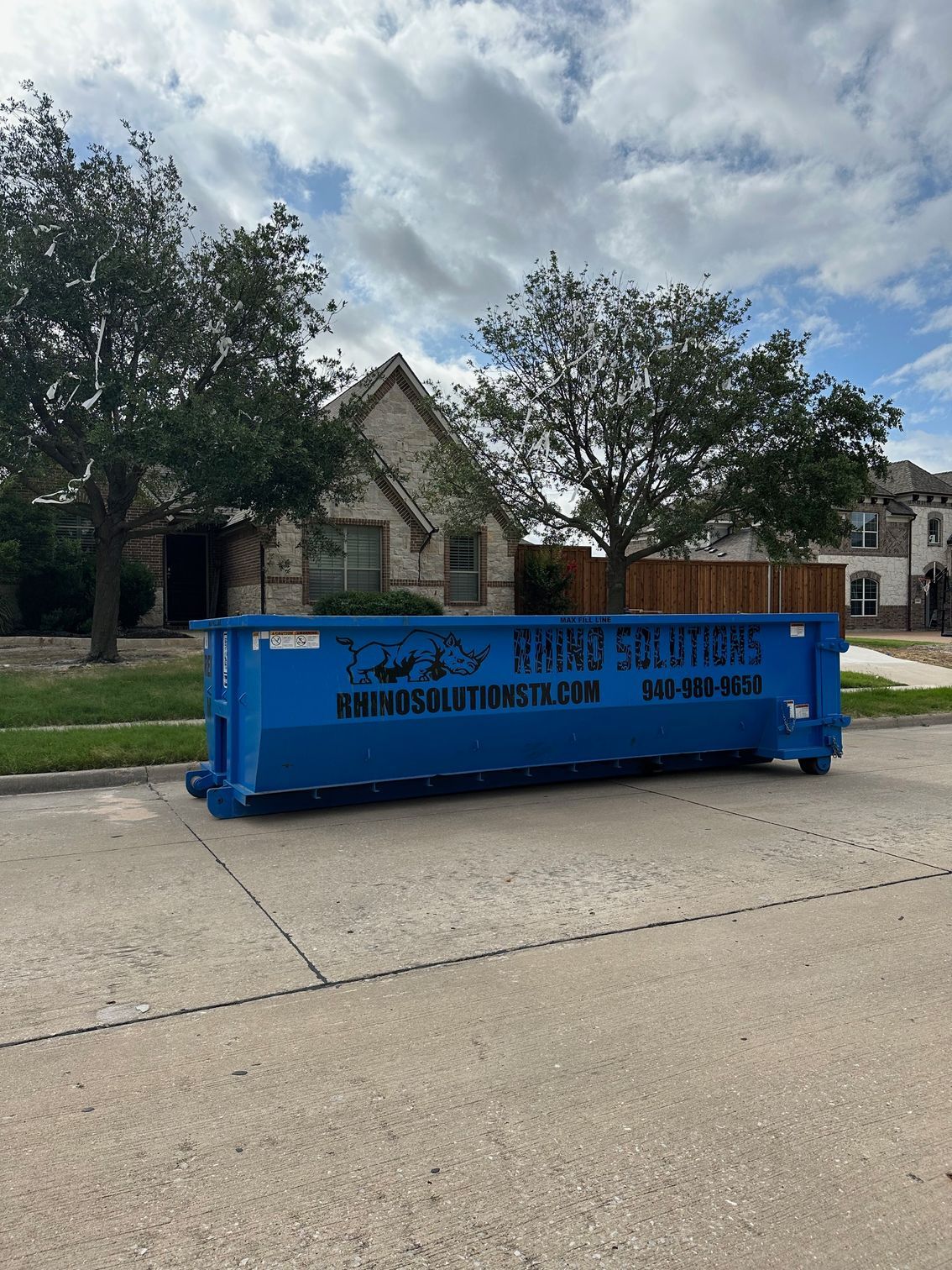
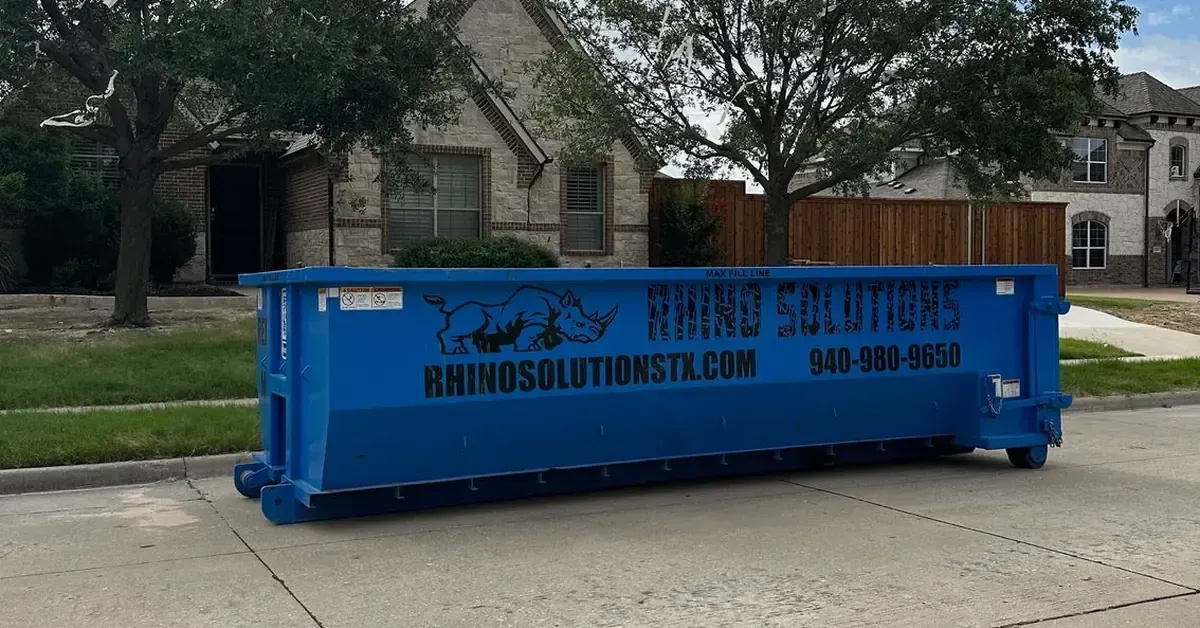
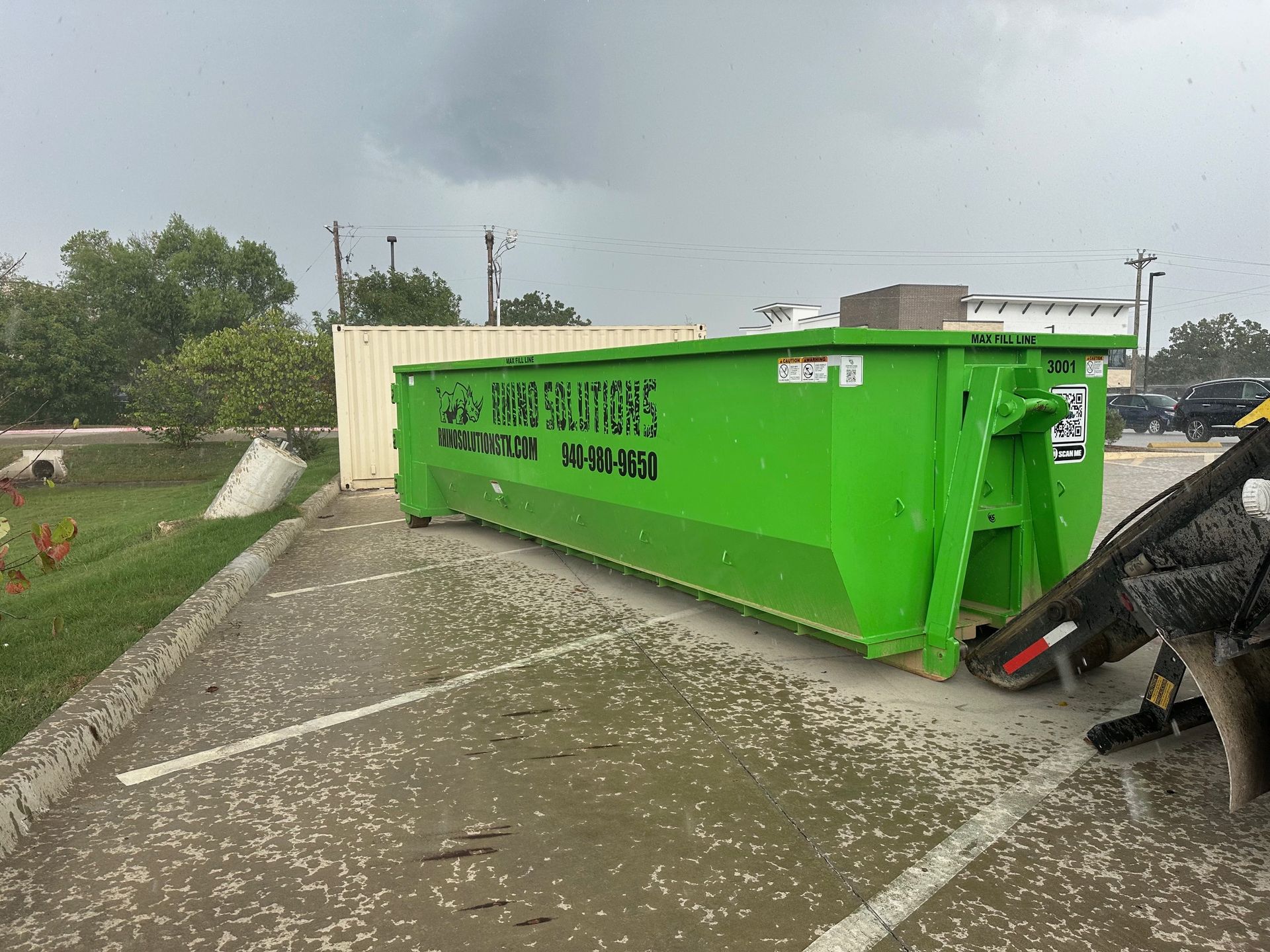
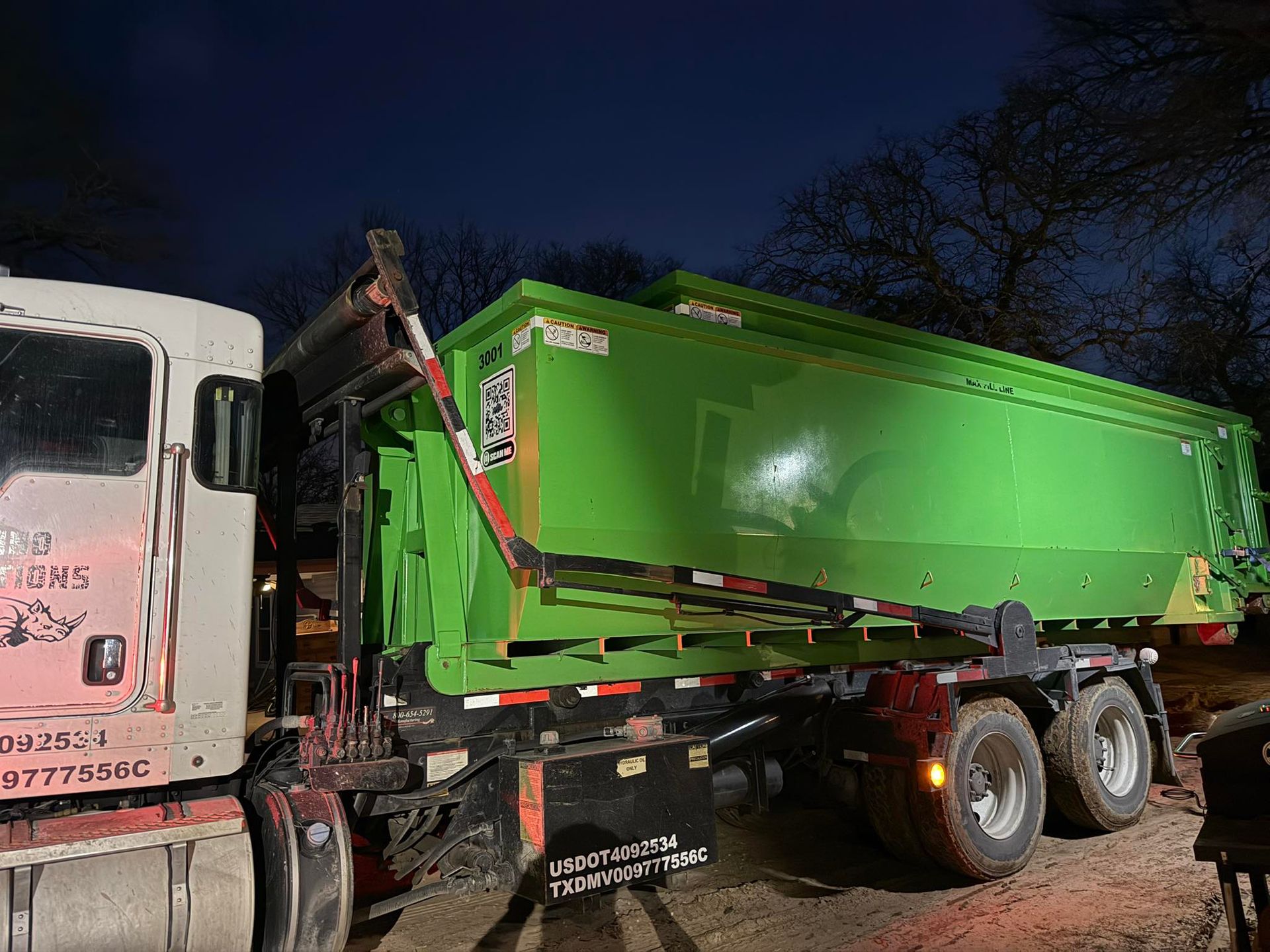
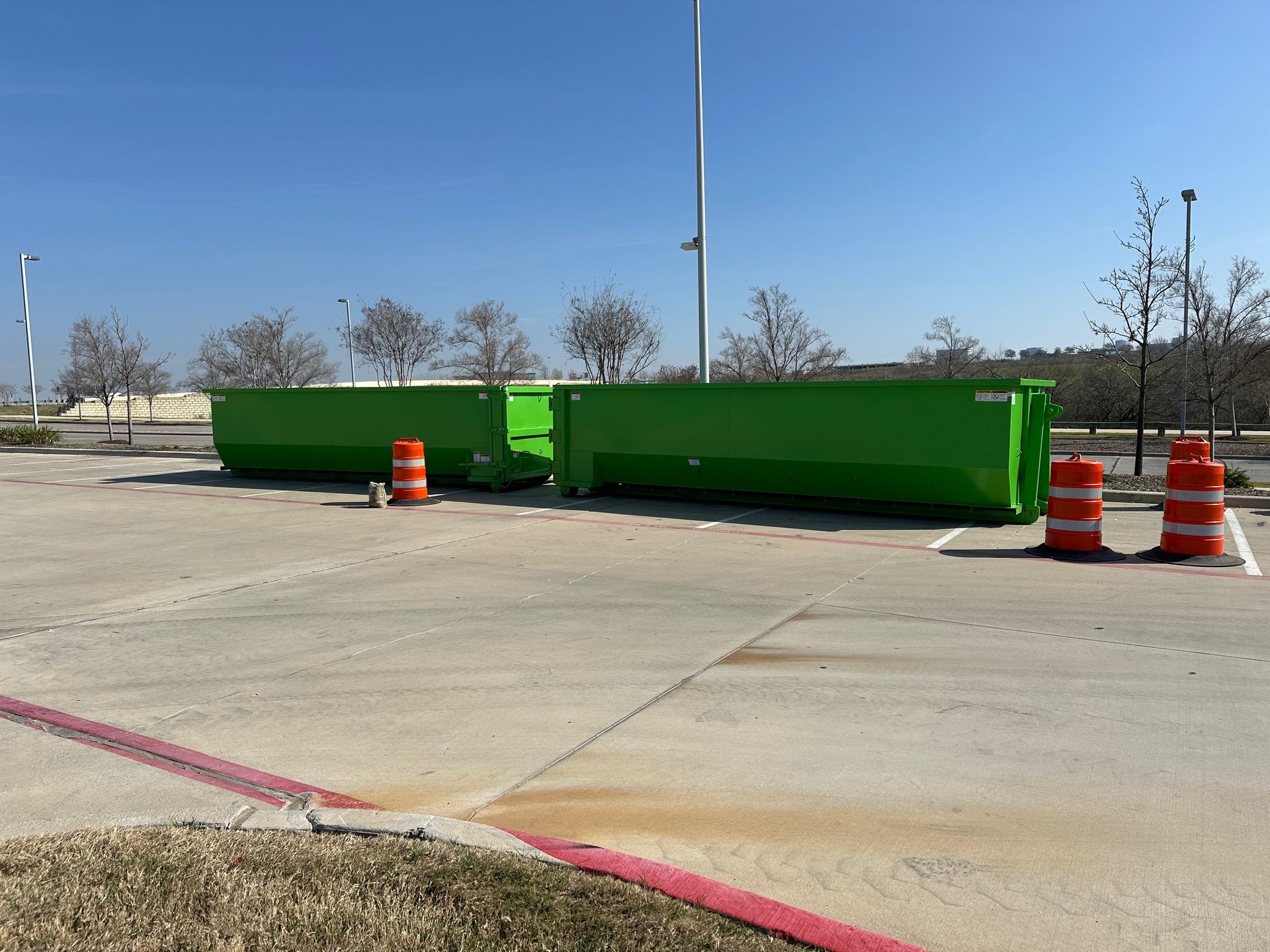
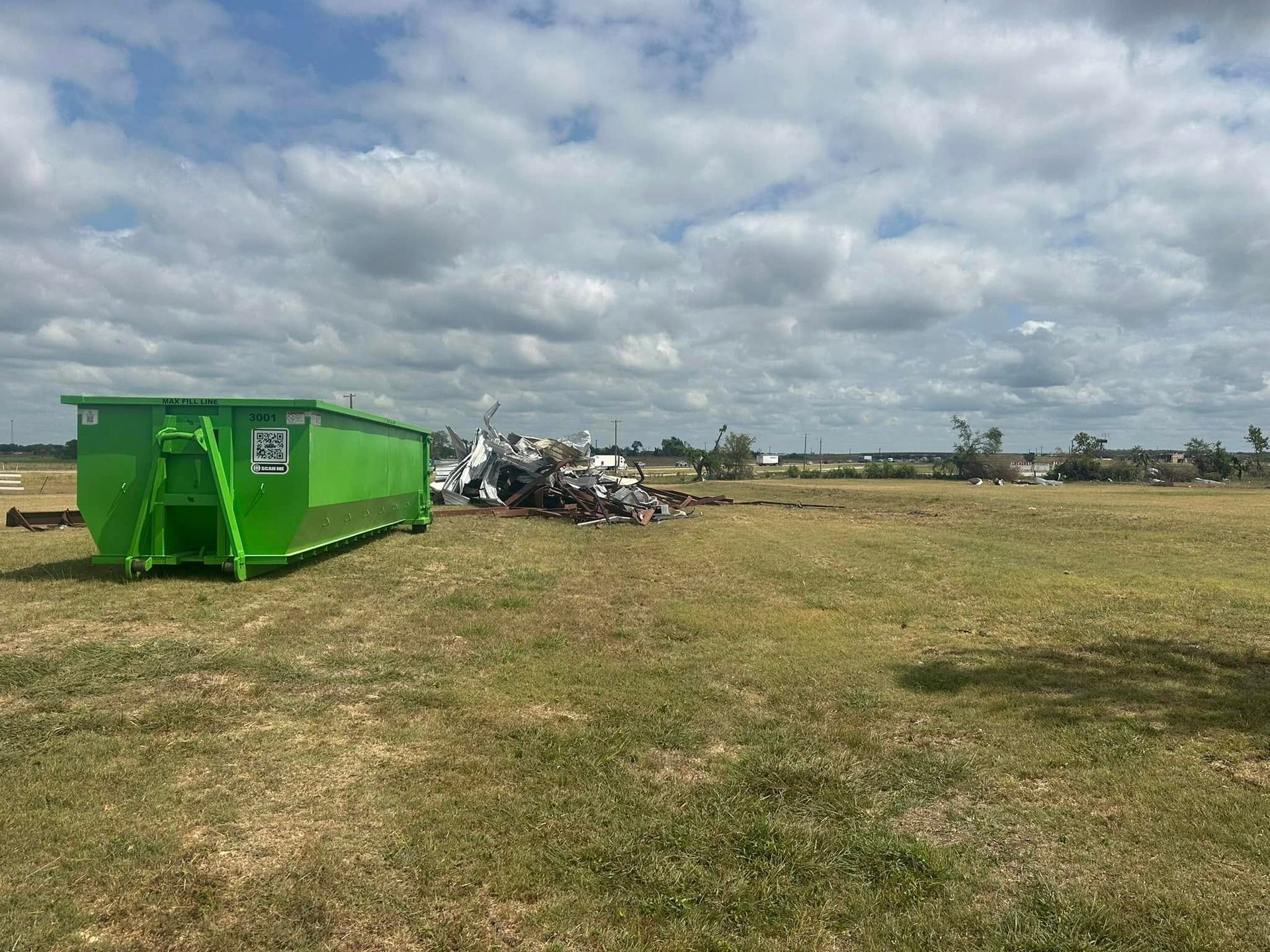
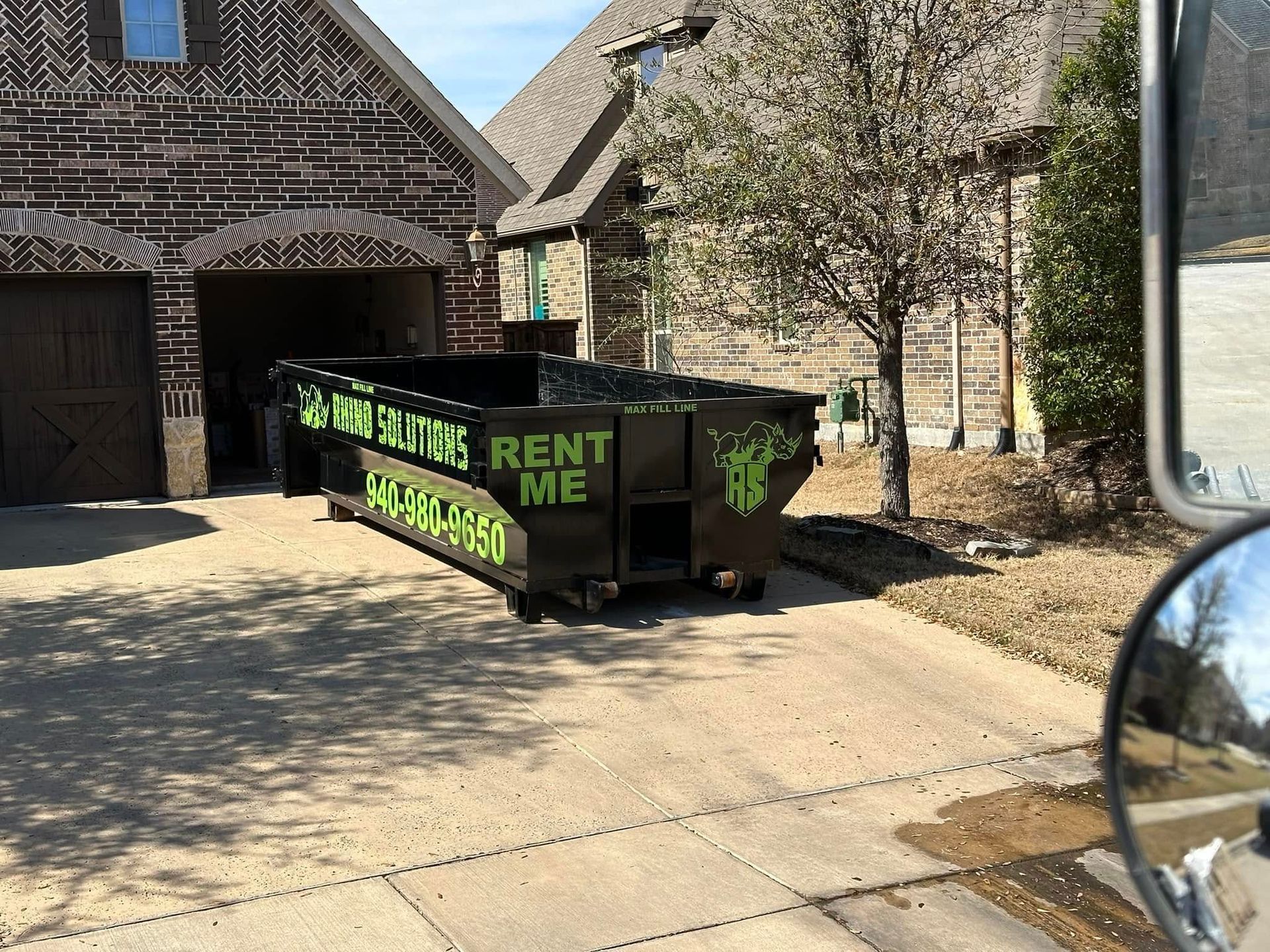
A dedicated roll-off dumpster removes that bottleneck entirely. Positioned on-site for the duration of a dumpster rental Fort Worth TX project, it gives crews a single drop point for debris as it's generated. Work zones stay clear, walkways stay safe, inspectors and subcontractors can move through the site without tripping over material, and the project timeline doesn't slip because someone had to make a fourth trip to the transfer station mid-week.
Cost is another factor that often gets overlooked until the project is already underway. Landfill tipping fees, fuel, and the time value of a crew member sitting in a disposal line add up quickly across a multi-week renovation. A flat-rate dumpster rental bundles that cost into one predictable number set before demo starts, which makes budgeting easier for both homeowners managing their own project and contractors quoting a job with a fixed timeline. Debris left sitting in a yard or garage also creates a liability risk, particularly on jobs with kids, pets, or multiple subcontractors moving through the property, so keeping waste contained in a single, clearly marked container reduces the chance of an injury or a tripping hazard becoming a bigger problem.
Matching Dumpster Size to Your Renovation Type
Renovation debris volume varies widely by project type, and choosing the wrong size dumpster either wastes money on unused capacity or forces a second rental mid-project. The breakdown below covers common Fort Worth renovation scopes and the container size that typically fits each one. For exact dimensions, weight limits, and current pricing, view dumpster sizes and pricing before booking.
Bathroom Remodel: 15 or 20-Yard Dumpster
A single bathroom remodel, tub-to-shower conversion, or vanity replacement usually generates debris in a fairly predictable range: old tile, drywall, subflooring, and fixtures like tubs, toilets, and vanities. A 15-yard dumpster covers most single-bathroom gut jobs without leaving much unused space. Master bathroom renovations, especially those that involve removing a soaking tub, reworking plumbing, or stripping tiled walls and floors, tend to produce more volume and heavier material, so a 20-yard container is the safer choice whenever the scope includes structural or plumbing changes rather than a cosmetic refresh.
Kitchen Renovation: 20 or 30-Yard Dumpster
Kitchen debris volume regularly surprises homeowners who haven't been through a full remodel before. Cabinet removal alone fills more space than most people expect, and once countertops, flooring, backsplash tile, and drywall get added in, the pile grows quickly. A 20-yard dumpster is the practical minimum for a full kitchen demo. Projects that involve moving walls, replacing flooring throughout an open-concept kitchen and living area, or gutting an older kitchen down to the studs often need a 30-yard container to avoid a mid-project pickup and swap that stalls the schedule.
Full-Room Addition or Multi-Room Remodel: 30 or 40-Yard Dumpster
Additions and multi-room remodels run longer and generate debris across several phases: framing offcuts, roofing material, drywall, flooring, and finish waste all show up at different points in the build. A 30-yard dumpster handles most single-room additions and moderate multi-room updates. Larger projects, particularly those involving structural changes, added square footage, or simultaneous work in multiple rooms, call for a 40-yard container so the crew isn't stuck waiting on a swap-out in the middle of an active build.
Roofing Replacement: 20 to 30-Yard Dumpster
Roofing debris behaves differently than most renovation waste. Shingles, underlayment, and old decking don't take up as much visual space as drywall or cabinetry, but they're dense and heavy, so weight limits matter more than volume on a roofing job. A 20-yard dumpster is often sufficient for a standard single-story tear-off, but the weight allowance on that container should be confirmed before ordering. Larger homes, steep-pitch roofs, or multiple layers of old shingles can push the job toward a 30-yard container or a heavier weight allowance to avoid overage charges.
Renovation Dumpster Rental Table by Project Type
The table below summarizes recommended container sizes, typical debris weight, and suggested rental periods for common Fort Worth renovation projects. Exact needs vary by project scope, layout, and material choices, so contractors and homeowners with an unusual scope or larger-than-typical demo plan should confirm sizing before booking rather than defaulting to the smallest available option.

| Renovation Type | Recommended Size | Typical Debris Weight | Rental Period Recommendation |
|---|---|---|---|
| Bathroom remodel (single) | 15-yard | 1.5 - 2 tons | 7 - 10 days |
| Bathroom remodel (master gut) | 20-yard | 2 - 3 tons | 10 - 14 days |
| Kitchen renovation | 20 to 30-yard | 2.5 - 4 tons | 10 - 14 days |
| Full-room addition / multi-room remodel | 30 to 40-yard | 4 - 6 tons | 14 - 21 days |
| Roofing replacement | 20 to 30-yard | 3 - 5 tons (weight-driven) | 3 - 5 days |
How to Time the Dumpster Rental Around the Renovation Schedule
Dumpster timing matters as much as size. Booking too late means demo day starts without anywhere to put debris, and crews end up stacking material in the yard or driveway until delivery finally catches up. The container should be scheduled to arrive on or just before the first day of teardown, not after work has already begun.
For multi-phase renovations, keeping the same container on-site through the full project, rather than scheduling separate short rentals for demo, framing, and finish work, usually costs less and avoids gaps in debris removal between phases. Contractors managing larger Tarrant County jobs often build the rental period around the framing and rough-in schedule, then request pickup once the final cleanup sweep is complete. This Old House's guide to renting a dumpster walks through similar timing considerations for homeowners planning a first renovation, including how to avoid gaps between rental periods.
Pickup should be scheduled for after the last major debris-producing phase, not the finish-work phase. Paint, trim, and fixture installation generate far less waste than demo and framing, so holding the container through those final steps rarely makes financial sense. A quick call to reschedule pickup once the heavy debris phase wraps keeps rental costs aligned with actual use.
Coordinating dumpster timing with multiple trades adds another layer worth planning for. On a kitchen or bathroom remodel involving a plumber, electrician, and general contractor, debris tends to arrive in bursts rather than a steady stream, with the heaviest volume typically hitting during demo week and again during rough framing. Flagging those high-volume windows to the rental provider ahead of time helps confirm the container size and weight allowance will hold up, rather than discovering a shortfall midway through the busiest phase of the project.
What Renovation Materials Are Accepted in the Dumpster
Most standard renovation debris is accepted without issue: drywall, lumber, tile, flooring, cabinetry, fixtures, windows, doors, and roofing material like shingles and underlayment. Concrete and brick from small demo jobs are also typically fine, though very heavy loads may require a separate heavy-debris container depending on weight limits for the site.
Certain materials are restricted from standard roll-off dumpsters, including paints, solvents, chemicals, batteries, and other hazardous waste. These items require separate disposal through a hazardous waste facility rather than a general construction dumpster. The EPA's guidance on sustainable materials management outlines why hazardous and recyclable materials need separate handling from general construction and demolition debris. Confirming accepted and prohibited materials before loading the container avoids extra fees, a rejected pickup, or a delay in the disposal schedule.
Some renovation materials are worth separating out before they hit the dumpster at all. Cabinetry, doors, and fixtures in usable condition can often be donated to a local building materials reuse organization rather than landfilled, and metal items like old plumbing fixtures, appliances, or ductwork typically have scrap value. Sorting those items out during demo takes a small amount of extra effort but reduces overall debris weight, which matters most on projects working close to a container's weight limit.
Pre-Delivery Checklist for Fort Worth Homeowners
A few steps before delivery day keep the process smooth and avoid placement issues once the truck arrives on-site:
● Measure the clearance at the planned delivery location, including height clearance for low branches, gutters, or power lines.
● Confirm the driveway or parking pad can support the weight of a loaded container, particularly for larger 30 or 40-yard sizes.
● Notify neighbors in advance if street parking or access will be affected during delivery or pickup.
● Mark the exact container location clearly so the delivery driver can place it without guesswork or delay on drop-off day.
Check local permit requirements if the dumpster needs to sit in the street rather than on the property.
Walking the delivery location in person a day or two before the truck arrives catches most placement problems early. Sprinkler heads, shallow utility lines, and soft ground after recent rain are common Fort Worth issues that are far easier to work around when flagged ahead of time rather than discovered as the driver is positioning a loaded container.
Frequently Asked Questions About Renovation Dumpsters in Fort Worth
How long can the dumpster stay during a renovation?
Standard rental periods run 7 to 14 days, though larger or multi-phase projects can extend the rental to match the construction schedule. Extended rentals are available for projects that run longer than the standard window, and pickup can be rescheduled as the timeline shifts. Weather delays, material backorders, and permit holds are common reasons a Fort Worth renovation runs past its original schedule, so building a small buffer into the rental period avoids a rush to empty the container before an extension can be arranged.
Can the dumpster fit in a standard Fort Worth residential driveway?
Most Fort Worth driveways accommodate 15 to 20-yard dumpsters without issue. Larger 30 and 40-yard containers need more clearance and should be measured against the driveway dimensions before booking, particularly for the narrower or shorter driveways common in older Fort Worth neighborhoods. When a driveway can't accommodate the container length, placement in a side yard or along a street frontage is often possible, though street placement may require a permit depending on the neighborhood.
What if the renovation generates more debris than expected?
Overages happen, especially on kitchen and multi-room projects where demo reveals more damage than planned, such as water-damaged subfloor or outdated wiring that needs to come out along with the planned renovation debris. A second container or a swap-out, emptying and returning the same dumpster mid-project, can be arranged if the original size fills up faster than expected, so an unplanned discovery mid-demo doesn't have to stall the rest of the schedule.
Conclusion
Matching the right dumpster size to a renovation project, and timing delivery and pickup around the construction schedule, keeps a Fort Worth remodel cleaner, safer, and closer to on-budget from demo day through final cleanup. Bathroom and kitchen remodels typically fit in a 15 to 30-yard container depending on scope, while additions and multi-room renovations call for the larger 30 to 40-yard sizes. Booking ahead of demo day, rather than scrambling once teardown starts, avoids the delays and disorganization that come with an unplanned debris pile.
Homeowners and contractors planning a renovation across Fort Worth or nearby
dumpster rental Denton TX should book before demo begins to make sure the dumpster is on-site and ready when work starts. Call 940-980-9650 or book online to reserve a container sized for the project.